
Walking is one of the simplest ways to stay active, whether it involves a daily commute, a weekend countryside stroll or simply getting more steps into an ordinary day. Yet the quality of your footwear can make a noticeable difference to how comfortable those miles feel. The right pair should complement your walking style, fit properly and provide an appropriate balance of support, cushioning and stability.
For anyone comparing mens walking shoes UK, it helps to look beyond appearance. A stylish design may catch the eye, but comfort, construction and suitability for the intended terrain should ultimately guide the decision.
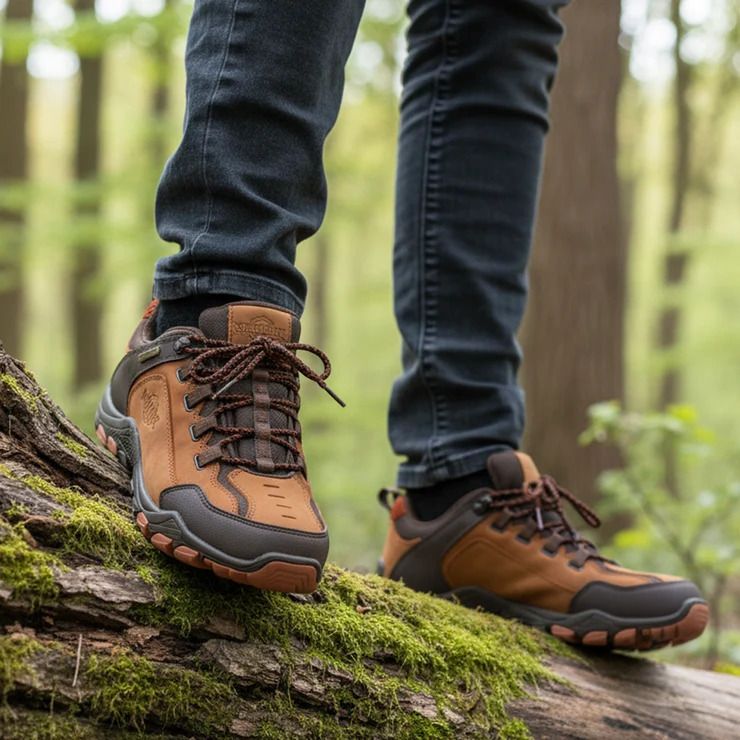
Why the Right Walking Shoe Matters
Not all walking is the same. A person walking mainly on pavements has different requirements from someone regularly exploring woodland paths or uneven countryside trails. Even within everyday walking, factors such as distance, weather and personal preference can influence which footwear feels most suitable.
A good walking shoe should feel secure without being restrictive. There should be enough room for the toes to move naturally, while the heel should remain comfortably held in place. The Royal College of Podiatry recommends trying different brands, styles and sizes because fit can vary considerably between shoes. It also notes that feet can expand during the day, making afternoon or early evening a useful time to try footwear.
This is particularly important when selecting mens walking shoes UK, because a shoe that feels comfortable for a few minutes in a shop may feel very different after several hours of continuous walking.
Understanding Fit Before Anything Else
Fit should be the starting point rather than an afterthought. A shoe that is too short can place unnecessary pressure on the toes, while one that is excessively loose may allow the foot to move around inside the shoe.
When trying on walking footwear, consider these points:
- Leave sufficient space around the longest toe.
- Check that the heel does not slip excessively.
- Make sure the midfoot feels comfortably supported.
- Try shoes with the socks you normally wear for walking.
- Walk around rather than judging the fit while sitting down.
- Try both shoes, as feet are not always identical in size.
Guy's and St Thomas' NHS Foundation Trust advises leaving roughly a thumb's width between the longest toe and the end of an athletic shoe.
Taking a few extra minutes to assess fit can therefore prevent discomfort later.
Support, Cushioning and Stability
Cushioning is often one of the first features shoppers notice, but more cushioning is not automatically better. The ideal level depends on the individual and the type of walking being undertaken.
Support can help create a stable platform, while suitable cushioning can make longer periods of walking more comfortable. However, footwear should still feel controlled rather than excessively soft or unstable. Current footwear guidance similarly highlights fit, stability and comfort as important considerations when selecting shoes for walking.
The sole also deserves attention. A broader contact area can provide a reassuring feeling on urban surfaces, whereas a more pronounced tread may be preferable for outdoor paths. Thinking about where the shoes will actually be used is more useful than choosing based solely on appearance.
Choosing Footwear for Different Terrains
For everyday town and city walking, lightweight footwear with a comfortable sole and reliable grip may be sufficient. Pavements and maintained paths generally provide predictable surfaces, so extreme outdoor construction may not be necessary.
For countryside walks, however, conditions can change quickly. Mud, loose gravel, wet grass and uneven ground require greater consideration. A shoe with a suitable outsole and a secure fit can offer greater confidence when the surface becomes unpredictable.
This is where understanding your own routine becomes important. Someone who occasionally walks around the park does not necessarily need the same construction as a person who spends every weekend covering long rural routes.
Materials and Breathability
Materials affect both comfort and practicality. Breathable uppers can be useful during warmer conditions or longer walks, while more protective materials may be preferable when walking in wet or changeable weather.
Look closely at how the upper is constructed and consider whether it matches your typical environment. Lightweight mesh can provide airflow, whereas more robust materials may offer additional protection from the elements.
Brands such as Northwest Territory demonstrate how walking footwear can combine practical construction with designs suited to everyday outdoor use. The important consideration, however, is whether the individual shoe matches the wearer's requirements rather than simply choosing a familiar name.
What Makes a Good Everyday Walking Shoe?
The best mens walking shoes UK options are not necessarily the most expensive or the most technically advanced. They are the ones that work well for the person wearing them.
Consider how often you walk, how far you usually travel and where your routes take you. If your routine involves commuting on foot, comfort over hard pavements may be a priority. If you regularly visit parks and countryside areas, grip and durability could become more important.
It is also worth thinking about convenience. Some walkers prefer traditional laces because they allow precise adjustment, while others favour simpler fastening systems. Neither option is automatically superior; personal preference and fit remain more important.
Durability and Everyday Value
Walking footwear experiences repeated stress. Soles encounter hard surfaces, uppers flex with every stride and internal cushioning gradually changes through use.
Instead of judging value purely by the initial price, consider how frequently the shoes will be worn and how well they are likely to withstand that routine. Regularly inspecting the tread, stitching and upper can help identify when footwear is approaching the end of its useful life.
A pair from Northwest Territory may appeal to people looking for footwear that can move between everyday activities and outdoor leisure. Nevertheless, durability should always be assessed in relation to how and where the shoes will actually be used.
Avoid Choosing Solely on Appearance
Style has a legitimate place in footwear decisions. Most people want shoes that suit their wardrobe as well as their lifestyle. The mistake is allowing appearance to become the only consideration.
A shoe can look excellent but still feel uncomfortable after an hour of walking. Conversely, a practical design may become a favourite because it performs reliably every day.
When comparing mens walking shoes UK, consider appearance alongside fit, comfort, construction, grip and intended use. This balanced approach makes the decision more practical and less dependent on trends.
Making a More Confident Choice
Finding suitable footwear does not need to be complicated. Start with your actual walking habits, then assess fit, comfort, support, grip and durability. This approach is more useful than simply selecting the most fashionable design or assuming a higher price guarantees a better experience.
Walking shoes should ultimately serve the person wearing them. Whether you are commuting through busy streets, enjoying a weekend stroll or gradually increasing your daily activity, comfortable footwear can make the experience considerably more enjoyable.
For those researching mens walking shoes UK, taking time to understand personal requirements is therefore one of the smartest steps. A well-fitting, appropriately constructed shoe can become a dependable part of everyday life rather than another purchase that ends up unused at the back of the wardrobe.